Introduction
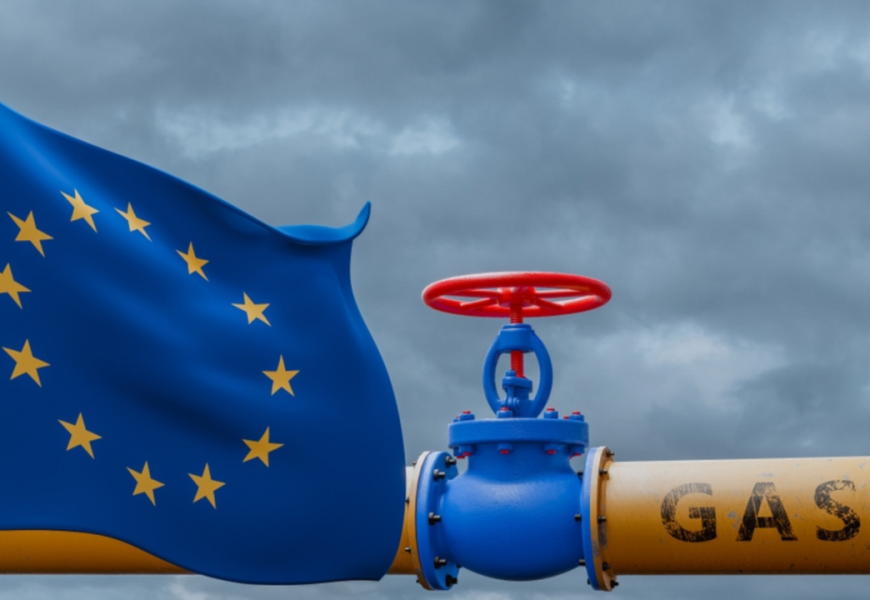
Europe’s energy crisis remains one of the most critical economic and geopolitical challenges in recent years. Although the peak of the crisis occurred between 2022 and 2024, its effects continue into 2026, shaping energy prices, industrial output, and political decisions across the continent. The crisis exposed structural weaknesses in Europe’s energy system and accelerated long-term changes in energy policy.
Source: International Energy Agency (IEA), Europe’s Energy Crisis Report — https://www.iea.org
Origins of the Crisis
The roots of the energy crisis lie primarily in Europe’s dependence on imported fossil fuels, particularly natural gas from Russia. Before 2022, Russia supplied around 40% of the European Union’s gas needs. The disruption of these supplies due to geopolitical tensions and the war in Ukraine triggered a sharp decline in available energy resources.
Source: European Commission — https://energy.ec.europa.eu
Gas Supply Shock and Price Explosion
As Russian gas flows decreased dramatically, Europe faced a severe supply shock. Gas prices surged to record highs in 2022–2023, at times exceeding €300 per megawatt-hour. Although prices have since stabilized, they remain significantly higher than pre-crisis levels, continuing to pressure households and businesses.
Source: Eurostat — https://ec.europa.eu/eurostat
Impact on Electricity Prices
Because gas plays a key role in electricity generation, rising gas prices directly translated into higher electricity costs. Many European countries experienced a dramatic increase in energy bills, forcing governments to intervene with subsidies and price caps to protect consumers.
Source: European Central Bank (ECB) — https://www.ecb.europa.eu
Industrial Consequences
The crisis has had a profound impact on European industry, particularly energy-intensive sectors such as chemicals, steel, and manufacturing. Many companies reduced production or relocated operations to regions with cheaper energy, such as the United States. This has raised concerns about Europe’s long-term industrial competitiveness.
Source: Financial Times — https://www.ft.com
Government Response
European governments responded with a combination of emergency measures and long-term strategies. These included gas storage requirements, diversification of supply through LNG imports, and financial support for households and businesses. The European Union also accelerated efforts to reduce dependence on Russian energy.
Source: European Commission — https://commission.europa.eu
Shift Toward Renewable Energy
One of the most significant outcomes of the crisis has been the acceleration of renewable energy development. Investments in wind, solar, and hydrogen technologies have increased rapidly, as Europe seeks to build a more resilient and sustainable energy system.
Source: International Renewable Energy Agency (IRENA) — https://www.irena.org
Energy Security and LNG Dependence
To replace Russian gas, Europe has significantly increased imports of liquefied natural gas (LNG), particularly from the United States and Qatar. While this has improved short-term energy security, it has also created new dependencies and exposed Europe to global market volatility.
Source: U.S. Energy Information Administration (EIA) — https://www.eia.gov
Ongoing Challenges in 2026
Despite progress, Europe still faces several challenges in 2026. Energy prices remain relatively high, infrastructure limitations persist, and geopolitical risks continue to threaten supply stability. Additionally, balancing energy security with climate goals remains a complex task.
Source: Reuters — https://www.reuters.com
Conclusion
Europe’s energy crisis has reshaped the continent’s energy landscape. While immediate risks have been partially mitigated, the long-term effects are still unfolding. The crisis has forced Europe to rethink its energy strategy, diversify supply, and accelerate the transition toward renewable energy. However, achieving a stable, affordable, and sustainable energy system will remain a key challenge in the years ahead.
Source: IEA — https://www.iea.org